

How Much Weight Can You Lose in 3 Months? What to Expect
If you are wondering how much weight you can lose in 3 months, there is no single number that applies to everyone.
The CDC notes that gradual weight loss of about 1 to 2 pounds per week is more likely to be maintained than faster weight loss. However, your personal results can vary based on starting weight, medical conditions, medications, hormones, stress, sleep, nutrition, activity level, and other factors.
Instead of chasing a specific number, a qualified healthcare professional can help you establish realistic goals based on your health and starting point.
How Much Weight Can You Lose in 3 Months?
Three months can be enough time to make meaningful progress, but two people following similar plans may experience different results.
The CDC recognizes that factors including medications, medical conditions, stress, genes, hormones, environment, and age can influence weight management.
This is why online transformations should not become your personal benchmark. Your progress should be evaluated according to your own health, body composition, and goals.
What Is a Healthy Weight Loss per Month?
There is no universal monthly target.
The CDC’s general guidance of approximately 1 to 2 pounds per week can provide context, but healthy weight management also includes nutrition, physical activity, adequate sleep, and stress management.
A professional can help you focus on sustainable progress rather than simply losing weight as quickly as possible.
Is Losing 20 Pounds in 3 Months Healthy?
For some people, losing 20 pounds over approximately three months may fall within the CDC’s general weekly range. That does not mean 20 pounds is an appropriate goal for everyone.
Your starting point, health history, medications, lifestyle, and treatment plan should all be considered before setting a target.
How to Lose Weight in 3 Months Safely
A three-month strategy should focus on consistency rather than extreme restrictions.
Healthy eating, physical activity, sleep, stress management, and professional monitoring can all contribute to weight management. For eligible patients, prescription medication may also be considered, but NIDDK emphasizes that weight management medications work best alongside lifestyle changes and do not replace healthy eating or physical activity.
Can Medication Affect Your 3-Month Weight Loss Progress?
Prescription weight management medication may help some eligible patients, but results vary by medication and by person. NIDDK notes that treatment decisions should consider potential benefits, side effects, current health conditions, other medications, family medical history, and cost.
That is why medication should be selected and monitored with a qualified healthcare professional rather than treated as a guaranteed shortcut.
Make Your First Three Months Count With SkinLocal
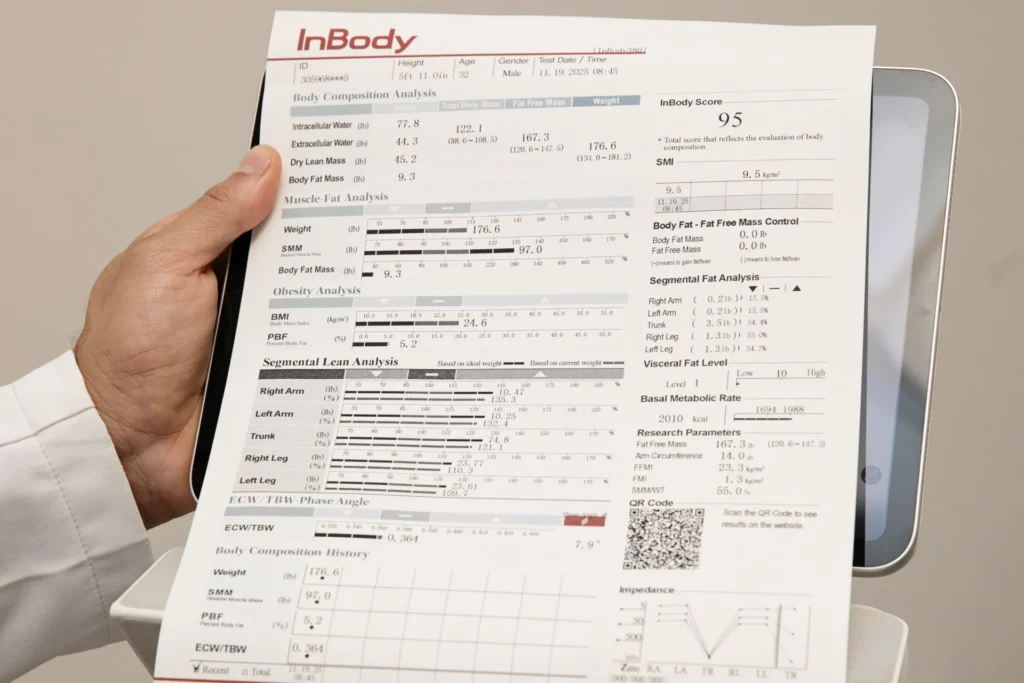
SkinLocal’s Weight Loss program begins with a consultation with an advanced practice provider and body composition analysis. The program currently offers different levels of support and uses a minimum three-month commitment, with duration depending on individual goals and response to treatment.
Depending on the plan and individual eligibility, SkinLocal’s program may incorporate medication, vitamins, wellness support, and continued progress monitoring.
Most importantly, SkinLocal healthcare professionals can evaluate your starting point, discuss realistic expectations, and help develop a personalized Weight Loss plan based on your needs.
Sources:
- Centers for Disease Control and Prevention (CDC) – Steps for Losing Weight (CDC)
- National Institute of Diabetes and Digestive and Kidney Diseases (NIDDK) – Prescription Medications to Treat Overweight & Obesity (Instituto Nacional de Diabetes y Enfermedades Digestivas y Renales)
Medically Reviewed By:
This article is for educational purposes only and does not replace personalized medical advice. Always consult a qualified healthcare professional before starting a weight loss medication or program.